
Once diagnosed, epilepsy is commonly controlled by anti-seizure medication. Epilepsy can also be treated using neurofeedback in conjunction with medication, or when medication is unable to produce the desired results.
Research regarding the use of neurofeedback for epilepsy dates back to the 1960’s with Dr. Barry Sterman’s discoveries. Epilepsy was the first disorder to be treated with these newly discovered methods. In the 1960’s, NASA started training astronauts to control seizures as a precaution in case they come in contact with seizure-inducing lunar lander fuel. Neurofeedback is still in use in astronaut training today.
Neurofeedback has been proven to raise a person’s seizure threshold, meaning the brain would be more resistant to seizures. Intractable seizures, those that cannot be controlled by medications, can be corrected using neurofeedback. A reduction in frequency, intensity, and recovery time has resulted from the method as well. Additional issues arise in the brain due to epilepsy, including reduced cognitive efficiency, affecting processing speed and memory. Neurofeedback is also able to address and correct these brain functions.
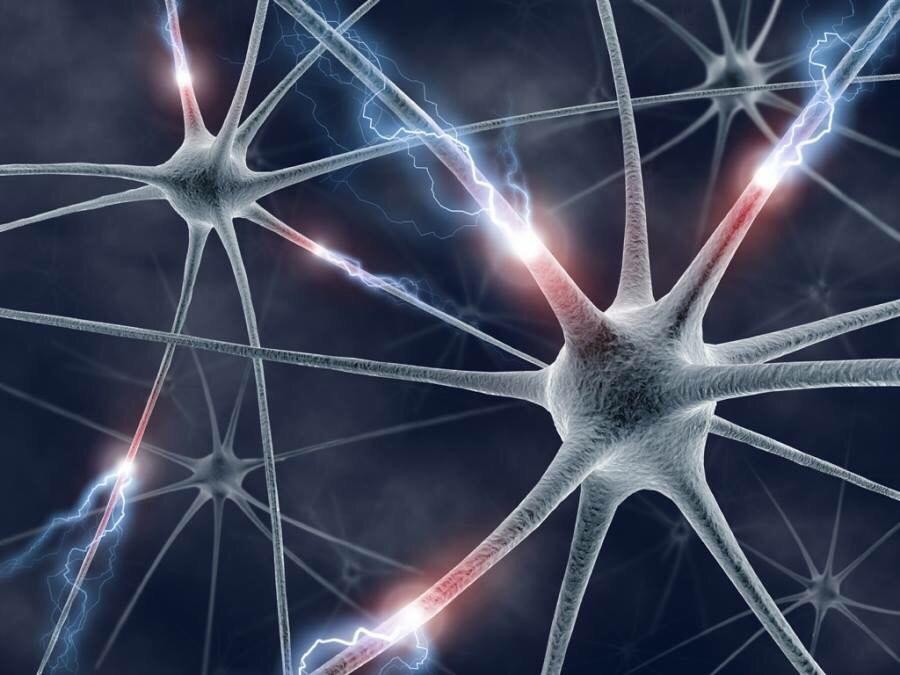
People with epilepsy have brains that continuously misfire. This is one way neurologists make a diagnosis. When brain cells surrounding the misfiring cells are activated, a seizure occurs. Neurofeedback allows the brain to inhibit slow wave EEG (the brainwave activity associated with seizure disorders) while reinforcing mid-range frequencies associated with preventing seizures.
A highly important part of treatment for epilepsy, it is often considered first choice because it can lead to overall improved function, improvement of the effects of medication, and/or a reduction or complete elimination of medication. Neurofeedback is safe for both children and adults, and it the positive results have been proven to last.